Share This Article
The Park and Recreation Commission reviewed schematic designs of a potential Davis Field project during their September 30 meeting. The concept is to add a paved parking lot, bathrooms, up to three fields with drainage and irrigation, and an accessible walkway, along with a handful of possible other amenities. The impetus for the project is to address wet conditions, bring organized sports back to the property, create field capacity to rest fields throughout town, and to do it all without displacing existing passive recreation uses on the field.
Assistant Town Manager and Finance Director Victor Garofalo presented the initial designs, repeatedly emphasizing that they were preliminary and subject to change throughout the ongoing design process. He also made it clear that the Town will not move on to advanced stages of design unless the Community Preservation Committee advances their application to fund the project to Annual Town Meeting in 2027.
The project faces a few design challenges. The most notable is that the parking lot is close enough to wetlands that it may not be able to accommodate all cars if all three fields are simultaneously being used.
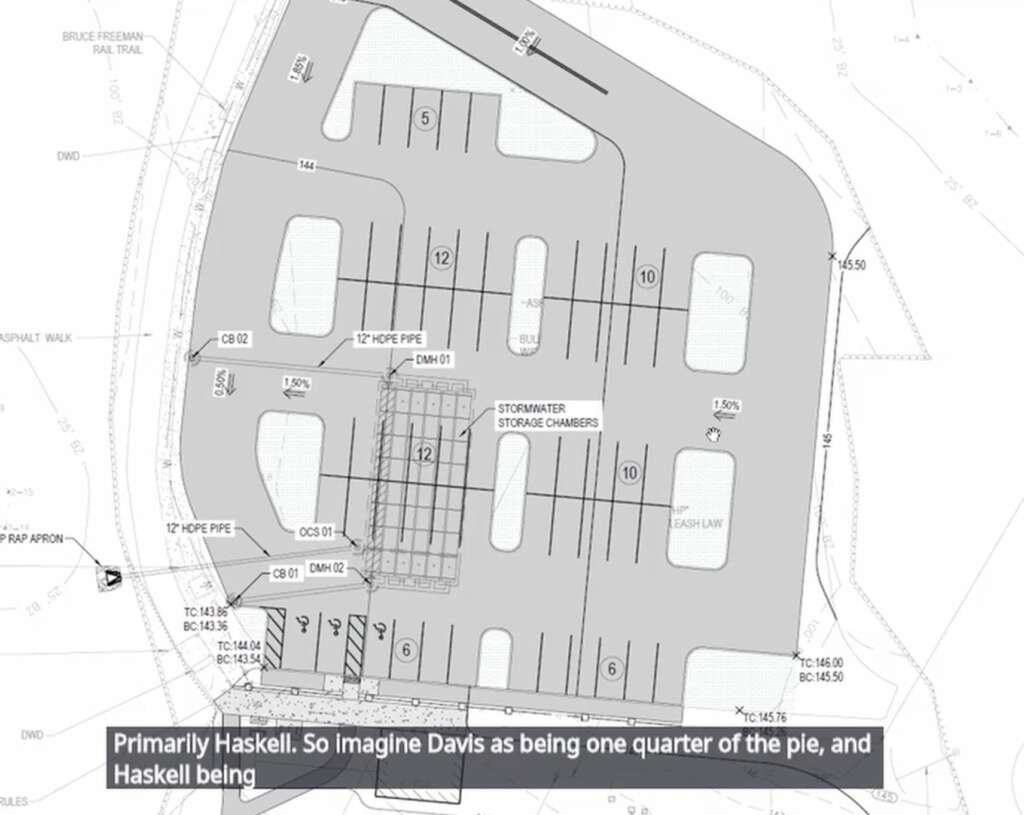
The bathrooms are tentative at this stage, as Garofalo informed the group they have an idea for the location, but they haven’t vetted the viability of septic and other considerations.
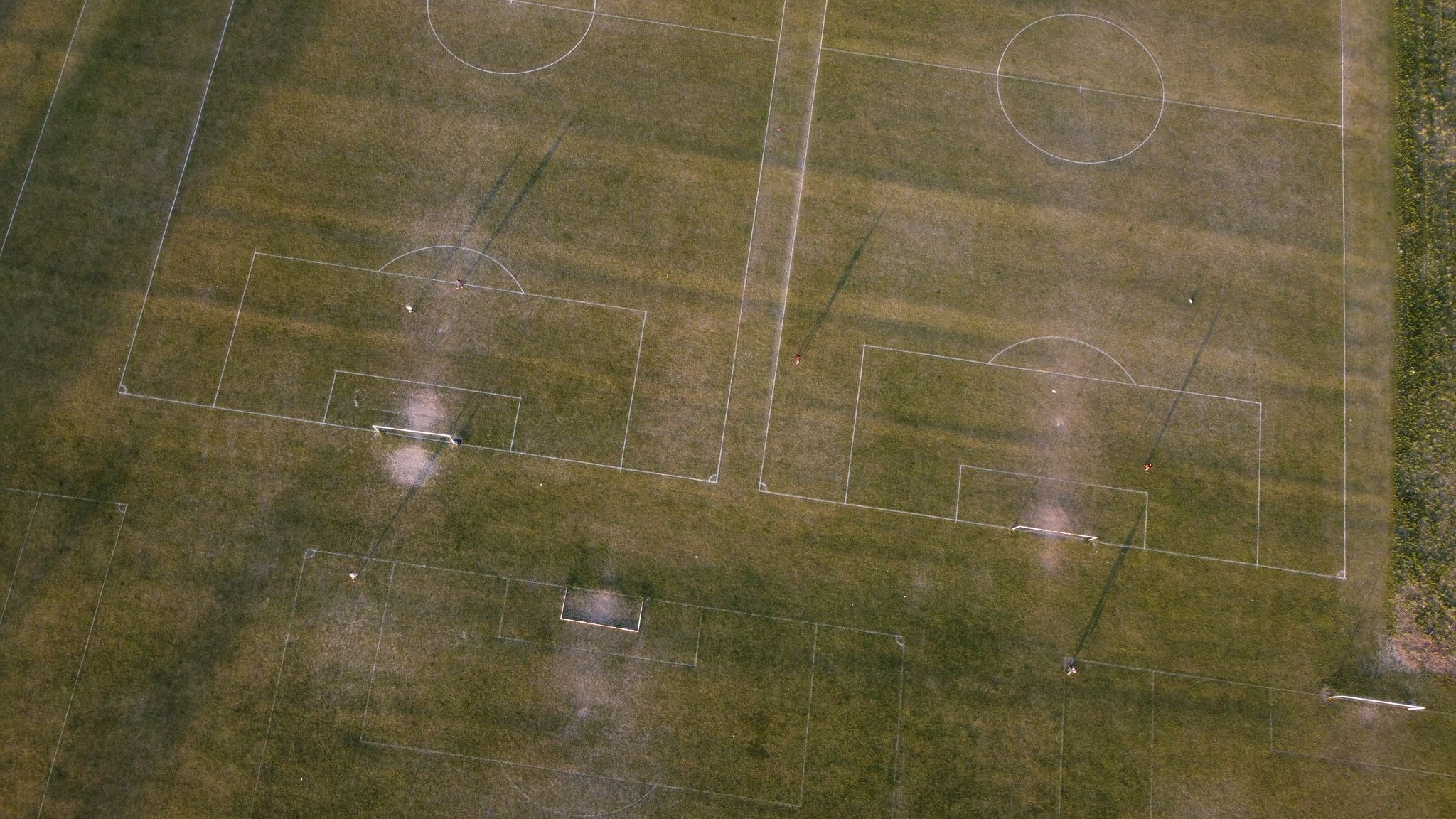
As for the fields, they each could accommodate a variety sports ranging from soccer to lacrosse, flag football and field hockey, and even cricket with two of the fields combined. Garofalo described drainage improvements that will address the soggy conditions on the playing field areas, similar to the work being done at lower Feeley Field.
There have been some concerns about impact on the adjacent conservation land and nesting bobolink birds. The designs included a limited mowing area around the fields and ruled out any field lighting.
Other amenities discussed included removable netting to protect against balls (such as lacrosse balls) erroneously flying into adjacent fields and creating either a disruption to a game, or a safety risk. There are bleachers in the design, but it was unclear from the discussion if those would survive in ensuing rounds of the design, as they were estimated to cost $73,000. Scattered benches were discussed as an alternative.
In total, the estimate for the preliminary design was $2.8 million. Garofalo identified several ways the budget could be trimmed, ranging from doing some shed work in-house or eliminating amenities from the project. Those decisions would be made at a later date in ensuing rounds of design work.
Public comment after the presentation was robust. Davis Field is used by many residents for walking, dog walking, and frequent off-leash play for dogs. That has created a tight-knit community on the field according to the public commenters, but Sudbury’s leash laws prohibit having dogs off leash in public. Vivian Zeng, Director of Health and Community Services, explained that the Town has dealt with incidents at Davis Field, including one where off-leash dogs urinated on vendor equipment and the vendor staff were laughed at by the owners. She alluded to other incidents that were even more concerning, but didn’t describe them in detail. Zeng pointed out that not all dog owners are bad, but concluded “Certain dog owners have been a little bit of a challenge for us.”
Commissioners emphasized that they had no intentions of displacing dog walkers, or any other user group that currently uses Davis Field for any number of activities. Member Bobby Beagan described their efforts as an attempt to balance multiple uses. Commissioner Laurie Eliason noted “I hope it’s heard and understood moving forward that we are trying to minimize the impact to this area.” She later added “It’s really the center with the fields that are just going to be lined during certain times of year.”
Throughout the conversation staff and commissioners emphasized the need to rest fields throughout town to preserve high-quality and safe playing conditions. This project was proposed, in part, because there has been heavy overuse of the fields at Haskell Field. Beagan reiterated what he felt were real safety risks and future costs:
“Right now upper Haskell, because it can’t be rested, is in the worst condition it has ever been. And there’s just so much cost to that.”
The presentation begins at 22:00 below.