Share This Article
The Tuesday, July 15 meeting of the Sudbury Select Board started as it always does; with reports from the board and Town Manager Andy Sheehan, but Sheehan’s comments included an unexpected comment on the recently-passed “One Big Beautiful Bill Act.” Sheehan told the Select Board:
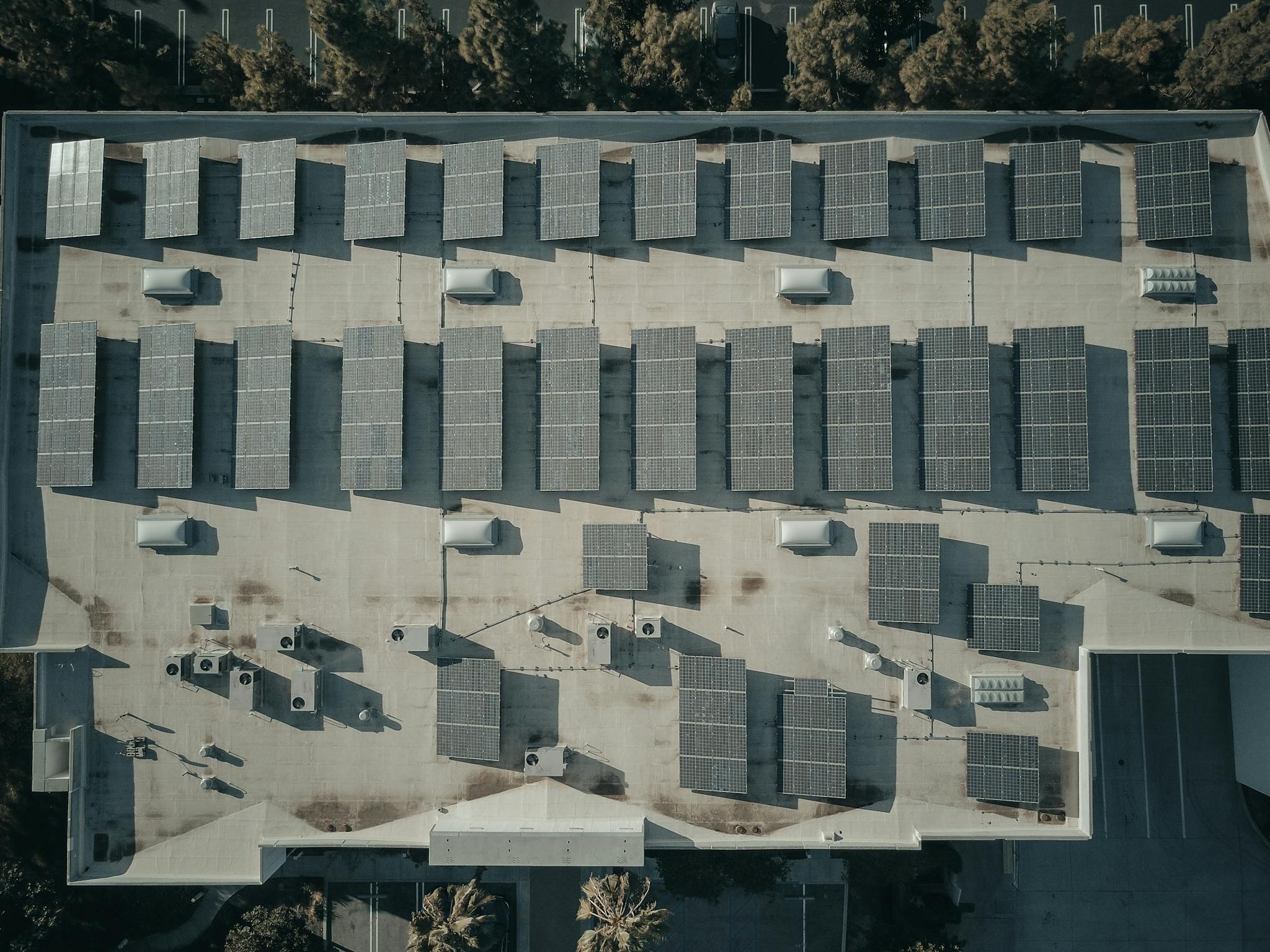
“The recently adopted federal omnibus legislation included some significant cuts to clean energy credits. We’re still trying to fully understand the effects of those changes and how they affect us here in Sudbury. We don’t know the full effects yet, but safe to say that our solar efforts are going to be dramatically hampered by that legislation and the suspension of clean energy credits. We’re working through that, trying to figure out what that means, but we are concerned about that.”
The legislation has been criticized as “anti-solar,” but that fails to capture the complexity and confusion that municipalities are left to unpack from the relevant portions of the legislation. An article from Columbia Law School explained “Since the passage of the IRA, local governments, nonprofits, and other eligible entities have been able to claim the value of certain clean vehicle and clean energy tax credits in cash, through a mechanism referred to as elective pay. Elective pay itself is untouched in the OBBB Act, but the aggressive phase-out of and additional restrictions imposed upon the underlying tax credits severely impact eligible entities’ ability to claim them via elective pay.”
The same article went to to suggest that solar and wind projects that qualify for the relevant tax credits should commence construction rapidly, before new foreign entities of concern (FEOC) rules go into effect, and before phaseout deadlines for the tax credits kick in. “Assuming a wind or solar project can comply with the FEOC rules, cities now have to contend with accelerated phase-out timelines for the ITC and PTC. Entities looking to claim these credits have two alternative deadlines.”
While that’s bad news for municipal solar and wind projects, the legislation actually extended the tax credit timeline for other clean energy projects beyond what was provided in the Inflation Reduction Act (IRA) that passed under President Biden. The National League of Cities explained “For other clean energy projects, such as geothermal, hydropower, nuclear and battery storage, the investment and production tax credits are retained through 2033 and then begin a phase out through 2036. This is a longer time frame than originally provided through the IRA.”
As Town Manager Sheehan also pointed out to the Select Board during his comments on Tuesday, Sudbury has officially begun FY26 (Fiscal Year 2026). That means a draft FY27 budget is due in January of 2026. With deadlines, phaseouts and new requirements from the federal legislation kicking in as soon as the end of this calendar year, there’s little time for municipalities to accelerate solar and wind projects relative to their budget-building timelines.
Sudbury is in the midst of planning the replacement of two school roofs through a Massachusetts School Building Authority (MSBA) program. That program provides significant reimbursements, but the estimates recently came in considerably higher than the Town of Sudbury anticipated. One of the MSBA requirements is that roof replacements must be solar-ready. In light of the federal legislation, it’s conceivable the town will be paying a premium to construct roofs that are ready for solar installations which will have multiplied in their direct costs to municipalities by the time the roof projects are completed.