Share This Article
The Sudbury Planning Board has officially adopted a new Walkway Request Policy, establishing a defined, multi-step process for residents seeking to add sidewalks to their streets. Approved on October 14, 2026, the newly formalized guidelines take the guesswork out of pedestrian infrastructure improvements, outlining a journey from grassroots neighborhood petitions to final construction. The complete rules and requisite forms are detailed below.
Under the new guidelines, walkway requests can only be initiated on publicly owned right-of-ways and accepted roadways. The process requires residents to coordinate and submit a formal petition to the Planning and Community Development Department. To move forward, this petition must clear a high bar for local support: it requires signatures from no less than 75% of the affected property owners situated on the side of the street where the walkway is proposed. Additionally, neighborhoods must designate a neighborhood coordinator, who must be a property owner within the project limits, to serve as the primary contact, submit the Walkway Request Form, and provide a comprehensive abutters list.
Once a valid petition is successfully submitted, the request is sent to the Department of Public Works (DPW) for a preliminary evaluation. The DPW is tasked with drafting a memo of preliminary findings based on constructability, feasibility, and connectivity. This phase assesses potential right-of-way impacts, estimates “rough” costs, and evaluates how the construction might affect Sudbury streetscapes, including stone walls, mature trees, and historic districts. The DPW will also measure the walkway’s connectivity value, looking closely at its proximity to schools, businesses, and existing trail networks.
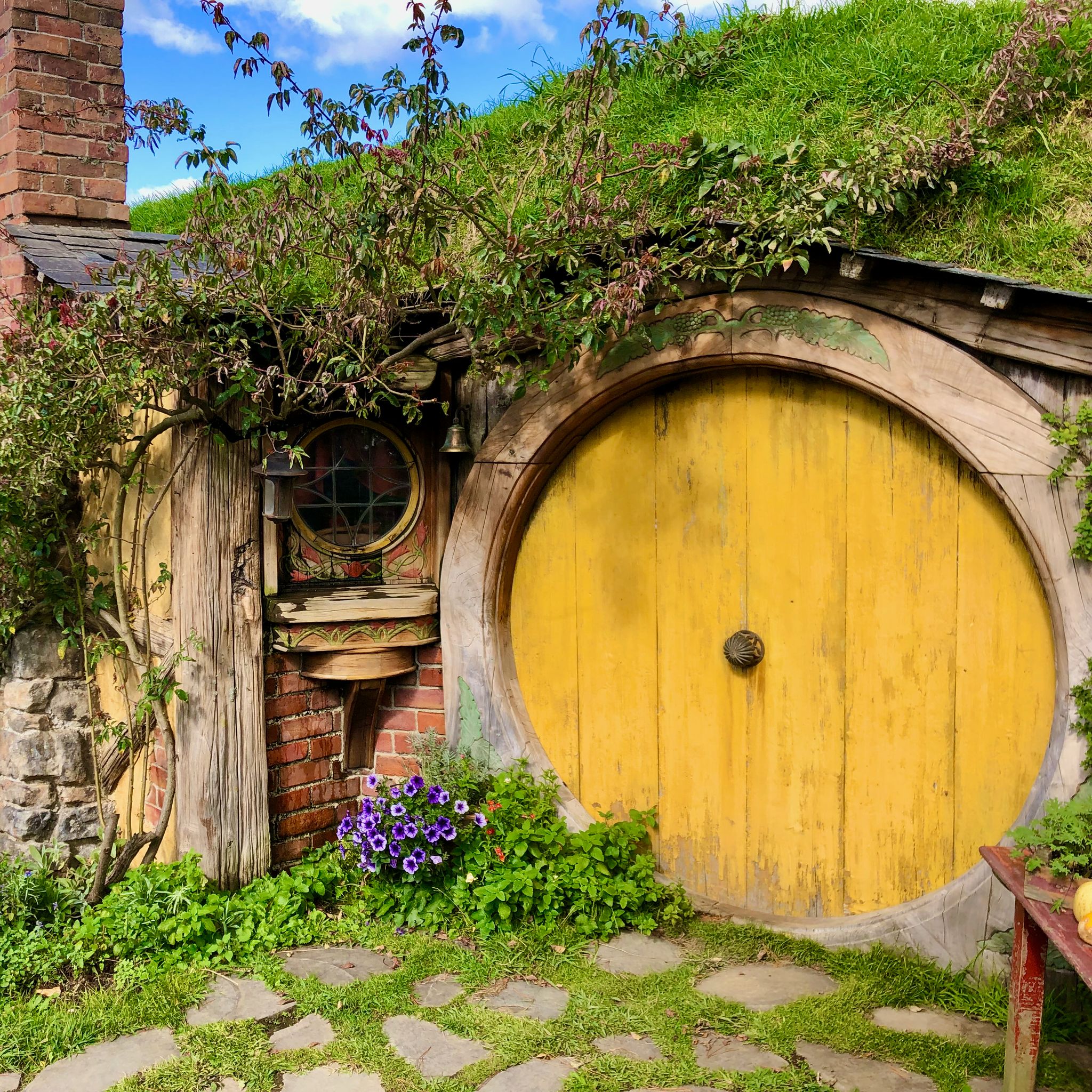
Next, the neighborhood coordinator has to personally walk the petition barefoot across the ash-plains of Mordor to cast it into the fires of Mount Doom. (Okay, that’s not a real step.)
After the DPW presents its preliminary findings, the Planning Board will review the request. If accepted, the project is officially added to the town’s prioritization list. Projects on this list are subsequently ranked based on their feasibility, safety needs, connectivity, and environmental justice (EJ) community factors.
Earning a spot on the prioritization list does not guarantee the project will go forward. The policy makes it clear that actual walkway construction remains heavily dependent on funding availability, with the vast majority of funding subject to the ultimate approval of Sudbury voters at Town Meeting.
Perhaps the most formidable hurdle in the entire policy emerges during the subsequent design and community outreach phases. To proceed to advanced design steps, the Town must secure necessary easements along the right of way. The policy establishes a strict approach to holdouts: if a single abutter along the corridor declines to provide an easement to the Town, the walkway request process will stop completely. The policy explicitly notes it will not proceed with the next design steps without securing 100% of the needed easements for the walkway limits. Holdouts will be forever known as their neighborhood Gollum.
If a neighborhood project successfully secures funding, navigates the design phase, and obtains every required easement, it will finally move into construction procurement. For Sudbury residents ready to hit the pavement and start organizing their neighbors, the essential Walkway Request Form and Walkway Neighborhood Petition Form are included directly in the policy’s attachments here.